POISED EQUINE
Restoring Resiliency through Physical Therapies


What is The Horse’s Body Saying And How Can We Hear it Accurately?
By communicating via multiple hands-on therapy modalities, the horse’s body will reveal a story. Through energy and touch, the horse will invite us in to effect change to imbalances and inefficiencies. Then it becomes possible to rebuild pathways so that work and play occur with increased ease, strength and fluidity, opening the door to a body in harmony.
Gone are the days of looking at the body as a collection of separate parts.
Poised Equine believes resolutely in the communication network of fascia. Through balancing biotensegrity, effective and efficient bodily communication can be restored, resulting in diminished discomfort and greater agility, rhythm, and coordination.

Meet Tory…
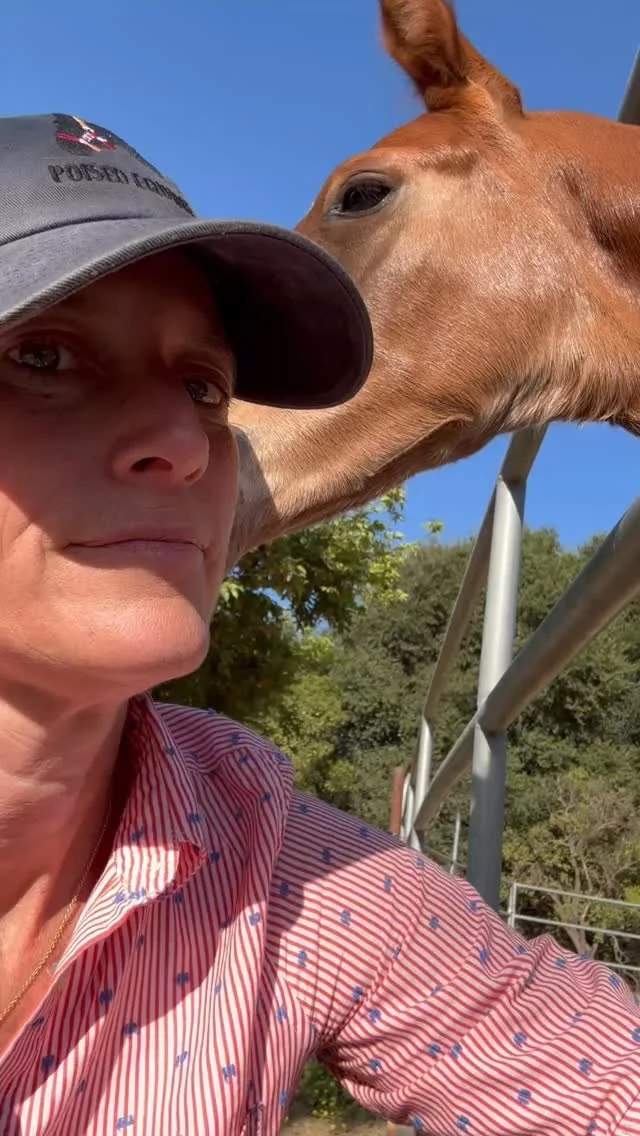
Tory is the founder and lead practitioner of Poised Equine. With knowledgeable hands, energy, and intuition, she is motivated by her deep commitment to facilitating resiliency within horses’ bodies. She values a team approach and brings a well-schooled, open mind to collaborations. Learn more about Tory’s qualifications and what set’s her apart.
Follow Poised equine on Instagram
Contact Tory
Preparing for a Session
Please ensure your horse is dry and groomed.
Please provide a shady, safe work space wherever your horse is most comfortable.
Tory is comfortable working on your horse solo after the initial visit. Do not feel you need to be present but of course you are always welcome to join the session.
If purchasing a 5-Series, please be aware that your horse will need to be lunged for a biomechanics assessment at the beginning of session #4.
What to Expect Post-Session
After every session, clients will receive notes which include main areas of restriction as well as improvements - a helpful tool in mapping progress over time.
Immediately after a session: A 15 minute hand-walk to help the horse integrate.
The day after a session should be a very light work day with lots of low intensity movement.
Horses may feel worse or better in the days directly after a session, and both indicate progress. A horse that feels worse means they need more work sooner than later.